
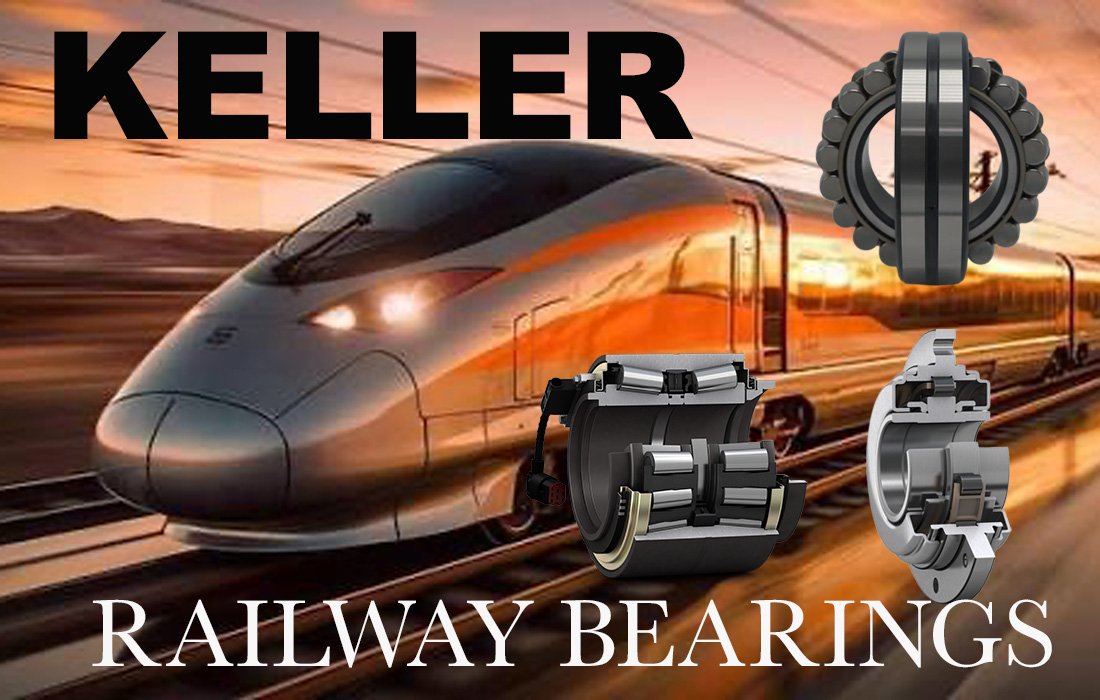
Subways transport a large number of passengers daily. Trains need to frequently start, accelerate, decelerate, and stop. The bogies bear the weight of the vehicle and operating loads for extended periods. Subway bogie bearings are a crucial component of the bogie system. They bear the rotational loads during vehicle operation and also affect the vehicle’s stability, comfort, and maintenance costs.
1. Good Load-Bearing Capacity
Subway vehicles operate for extended periods each day. Bearings need to withstand the weight of the car body, wheel-rail forces, and dynamic loads generated during operation. Therefore, subway bogie bearings need to possess good load-bearing capacity.
A well-designed bearing structure can improve load distribution. Stable load-bearing performance helps subway vehicles maintain smooth operation and reduces the risk of abnormal wear.
2. High-Precision Rotational Performance
Subway trains frequently enter and exit stations. Vehicles constantly start and brake. This operating mode places high demands on the rotational performance of the bearings.
Bearings need to maintain good rotational accuracy and stability. High-precision machining can reduce vibration and noise and improve vehicle operating conditions. For urban rail transit, lower operating noise also enhances the passenger experience.
3. Excellent Fatigue Resistance
Fatigue resistance is also a crucial indicator for subway bogie bearings. Subway vehicles perform multiple operating tasks daily, subjecting bogie bearings to repetitive loads.
Long-term cyclic loading affects bearing lifespan. Therefore, bearings need excellent fatigue resistance. High-quality bearing steel improves bearing strength. Proper heat treatment processes also enhance material properties.
4. Stable Lubrication Performance
Lubrication also significantly impacts the operating condition of subway bearings. Proper lubrication reduces friction on rolling contact surfaces and helps control bearing operating temperature.
Although subway vehicle speeds are lower than high-speed trains, frequent starts and stops increase bearing workload. Therefore, bearings need to be suitable for frequent starting and braking conditions.Suitable grease can improve bearing operational stability and extend service life.
5. Reliable Sealing Performance
Subway vehicles may operate long-term on underground, surface, and elevated lines. Different lines present varying temperature, humidity, and dust conditions.Railway bearings require good environmental adaptability. Reliable sealing structures reduce the ingress of dust and moisture into the bearing.Stable sealing performance helps maintain the internal cleanliness of bearings and reduces maintenance requirements.
6. Longer Service Life
Metro operations require high vehicle utilization rates. Frequent bearing replacements increase maintenance time and operating costs.Long-life metro bearings reduce replacement frequency. Stable product performance also helps operators optimize maintenance plans.Manufacturers can offer different bearing solutions based on vehicle speed, load, and operating environment.
7. Strict Quality Control
Product quality is equally important. Manufacturers need to focus on raw materials, heat treatment, grinding, assembly, and testing.Dimensional accuracy, clearance, rotational performance, vibration, and noise must all meet product requirements. Stable quality control improves bearing reliability and helps metro vehicles maintain long-term stable operation.
8. Adapting to Rail Transit Development
With the continuous development of urban rail transit, metro bogie bearings need to evolve towards high reliability, long service life, and low maintenance.
High-quality bearings help metro vehicles operate stably and reduce maintenance frequency and operating costs. For metro operators and rail transit equipment manufacturers, choosing the right bearing supplier can further improve vehicle operating efficiency.


