
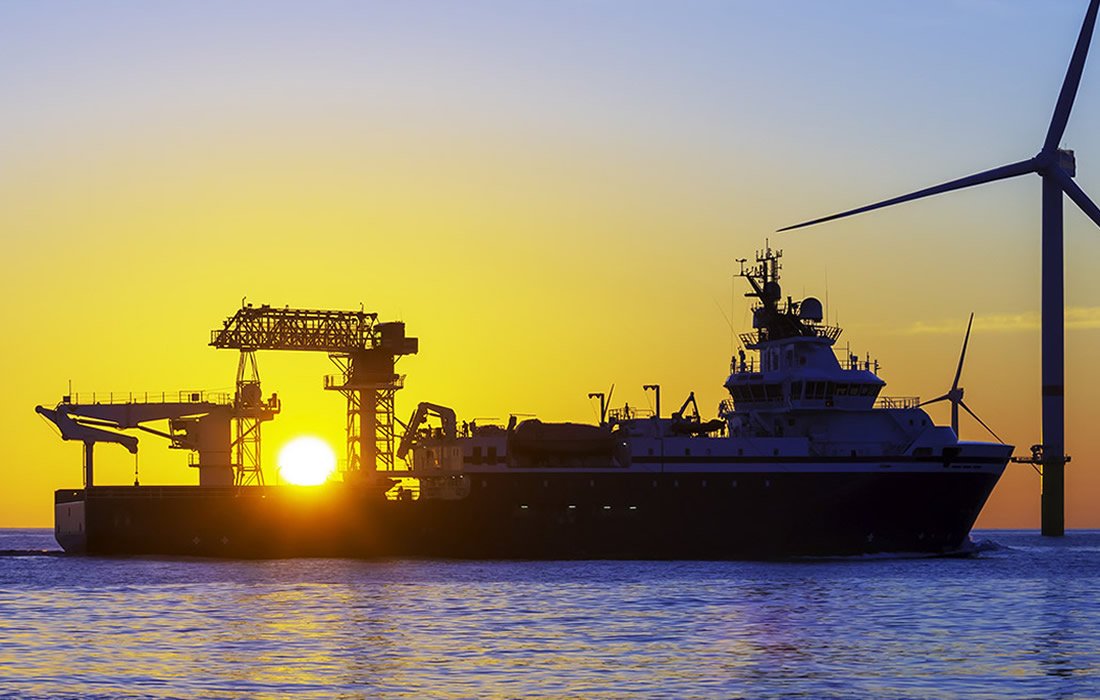
Split Bearings in the Marine Industry: Enhancing Efficiency and Reducing Downtime
The marine industry is synonymous with robust engineering and heavy-duty machinery, where every component plays a vital role in ensuring smooth operations. Among these components, bearings are critical in supporting the moving parts of marine machinery, from propulsion systems to deck equipment. Split bearings, with their unique design and exceptional functionality, have emerged as an invaluable solution for the maritime sector.
What Are Split Bearings?
Split bearings are engineered to allow the housing and bearing itself to be split into two halves. This design facilitates easier installation, inspection, and replacement, reducing the need for extensive disassembly of surrounding machinery. Their versatility and efficiency make them particularly suitable for the demanding conditions of the marine industry.
Advantages of Split Bearings in Marine Applications
1.Ease of Maintenance
Maintenance in marine environments is often challenging due to space constraints and the complexity of machinery. Split bearings simplify this process by allowing technicians to access and replace bearings without dismantling entire assemblies. This feature is especially beneficial in marine propulsion systems, where downtime can lead to significant financial losses.
2.Reduced Downtime
Time is a critical factor in marine operations, and prolonged downtime can disrupt schedules and escalate costs. Split bearings enable quicker repairs and replacements, minimizing operational interruptions. For instance, in applications like ship propeller shafts or deck cranes, the ability to replace a bearing swiftly ensures uninterrupted functionality.
3.Enhanced Reliability
Marine environments are characterized by high loads, corrosive conditions, and continuous operation. Split bearings are designed to withstand these challenges, offering high load capacity and resistance to harsh conditions. With proper maintenance, they ensure long-term reliability and optimal performance.
4.Cost-Effectiveness
Although the initial cost of split bearings may be higher than traditional bearings, their ease of maintenance and reduced downtime translate into significant cost savings over time. For marine operators, this is a compelling advantage in maintaining profitability and efficiency.
Applications of Split Bearings in the Marine Industry
1.Split bearings find application in various critical areas of marine operations, including:
2.Propulsion Systems: Supporting the shafts of ship propellers, ensuring smooth and efficient power transmission.
3.Deck Equipment: Facilitating the operation of winches, cranes, and other essential machinery.
4.Pumps and Compressors: Ensuring the reliable functioning of auxiliary systems like bilge pumps and air compressors.
5.Conveyor Systems: Handling materials on board or during cargo loading and unloading.
Installation and Maintenance Best Practices
To maximize the benefits of split bearings in marine applications, adherence to best practices is essential:
Proper Alignment: Misalignment can lead to premature wear and failure. Ensure precise alignment during installation.
Regular Inspections: Frequent checks help identify wear or damage early, preventing costly repairs.
Quality Lubrication: Use marine-grade lubricants to protect bearings from corrosion and reduce friction.
Training: Equip maintenance crews with the knowledge and tools required to handle split bearings effectively.
Split bearings have proven to be a game-changer in the marine industry, addressing the unique challenges posed by this demanding environment. Their ability to enhance efficiency, reduce downtime, and offer long-term cost savings makes them an indispensable component for modern marine operations. As the maritime sector continues to evolve, split bearings will undoubtedly play a pivotal role in driving innovation and reliability.


