
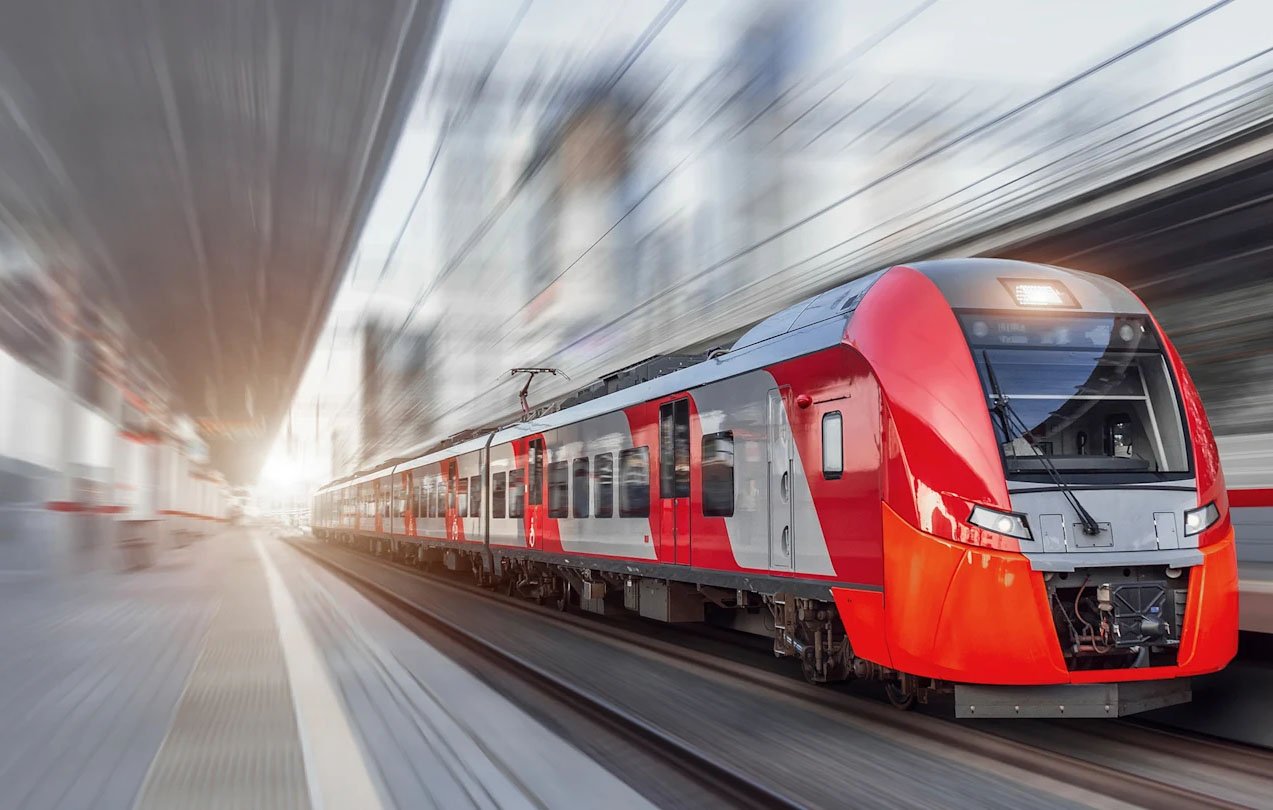
In modern rail transit and freight systems, trains operate at unprecedented speeds and carry immense loads. Behind this high-speed performance lies a crucial yet often overlooked “unsung hero”: the railway bearing.
As the core component connecting the train to the axle and supporting the vehicle’s entire weight, railway bearings operate under extremely demanding conditions. They must withstand immense forces—including those from braking—and maintain trouble-free operation for millions of kilometers amidst high-speed rotation, vibration, and extreme temperature fluctuations. In short, the quality of railway bearings directly determines the safety and efficiency of train operations.
Key Technical Challenges for Railway Bearings
Compared to standard industrial bearings, railway bearings—particularly axle-box bearings such as Tapered Roller Bearing Units (TBUs)—demand superior design and manufacturing standards.
Extreme Loads and Impact Resistance: Bearings are subjected to instantaneous shocks when trains negotiate curves at high speeds or pass over track joints. This necessitates exceptional structural strength and fatigue resistance.
Rigorous Sealing and Lubrication Requirements: Railway bearings are constantly exposed to wind, sand, rain, snow, and extreme temperatures. Moisture ingress or lubrication failure accelerates bearing fatigue; therefore, high-specification contact or non-contact sealing designs are essential.
Maintenance-Free Operation and Long Service Life: To reduce modern operating costs, railway bearings are generally designed to be maintenance-free between major overhauls, typically requiring continuous operation for thousands or even millions of kilometers before needing re-greasing.
Common Types of Railway Bearings and Their Applications
Different types of rail transit equipment have different requirements for the equipment:
| Bearing Type | Primary Application Locations | Key Performance Features |
| Tapered roller bearing unit(TBU/CTBU) | Freight train/Passenger car axle | Integral sealing/Pre-lubricated/Capable of simultaneously withstanding high dynamic forces and porous piston forces |
| Cylindrical roller bearing(CRB) | Metro/Light Rail/High-speed EMU Train | Suitable for maximum heights/Exceptionally high load-bearing capacity/Easy to install |
| Ball bearing/ Spherical roller bearing | Traction motor/Gearbox housing | High rotational accuracy/Low noise/Capable of accommodating grounding offset during high-speed operation |
Why Choose Keller Railway Bearings?
As a brand deeply rooted in industrial bearing manufacturing, Keller is dedicated to providing highly reliable bearing solutions to global rail transport and industrial clients. We consistently adhere to rigorous international standards in the R&D and production of our railway bearings.
Keller’s Core Manufacturing Commitments:
Ultra-high-purity bearing steel: Utilizing specialized heat treatment processes to significantly enhance fatigue strength, effectively prevent premature spalling, and extend bearing service life.
Precision grinding and super-finishing: Optimized logarithmic profiling of raceways and rollers ensures perfect contact stress distribution, drastically reducing operational friction and temperature rise.
Customized sealing solutions: Tailored to diverse global climates—from extreme cold to dusty or rainy environments—Keller offers custom-engineered combinations of sealing greases and seals to prevent grease leakage and contamination.
Whether for heavy-haul freight or urban rail transit, Keller bearings are committed to ensuring trains travel safely and smoothly to their destinations—safeguarding every micron of rotation.
Trust Keller to build a safe and efficient future for rail transport.
We do more than just manufacture bearings; we provide comprehensive engineering support and customized services. If you are seeking a railway bearing partner capable of meeting demanding operating conditions and extending maintenance intervals, please contact the Keller team.


